What carbide material do machine shops typically generate?
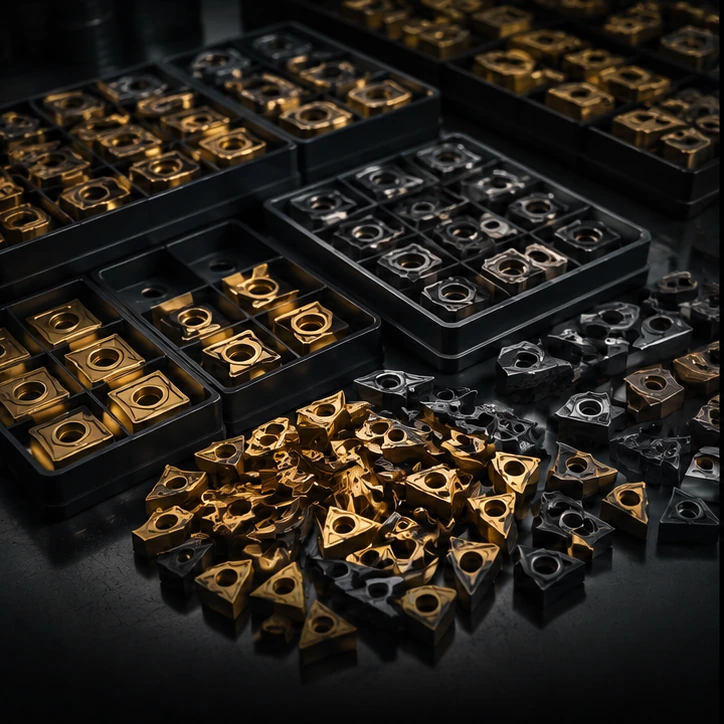
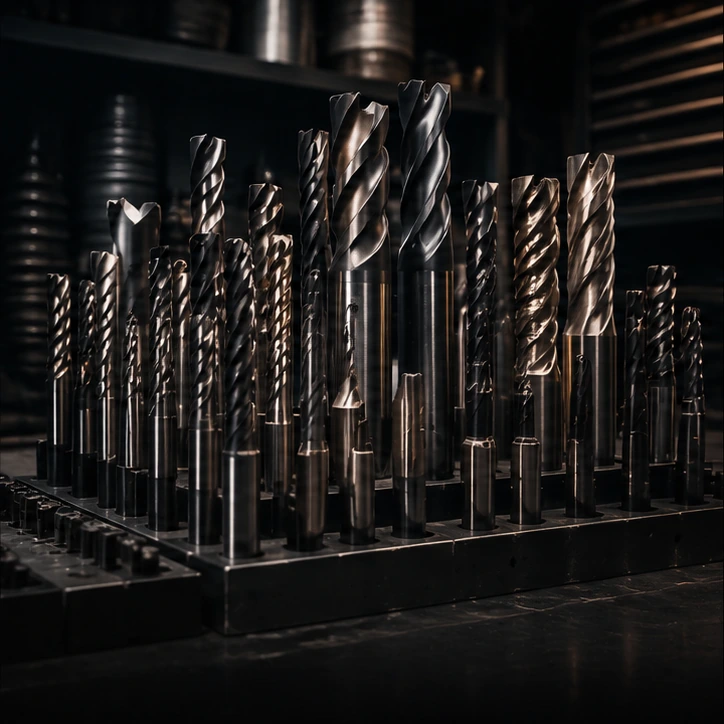
The most common items are used indexable inserts from turning and milling, worn solid carbide end mills and drills, carbide burrs, reamers, brazed tooling and saw tips, plus broken or chipped cutting tools. Shops also accumulate unused surplus inserts and new-old-stock tooling. Even fully worn tooling retains recoverable tungsten content, which is why shops collect it rather than discarding it.
Why should carbide be kept separate from high-speed steel?
Carbide and high-speed steel look similar to the untrained eye but are entirely different materials with different values. A lot mixed with HSS, regular steel or shop debris is harder to evaluate and will be priced lower to account for the sorting and contamination. A dedicated carbide-only bucket at each machine is the simplest way to protect the value of what your shop generates. If you are unsure whether a tool is carbide, see our identification guide.
How do recurring carbide collection programs work?
Shops with steady generation share their typical monthly quantity, container type, collection method and pickup location, and Ironcrest assesses whether a scheduled program is workable. Programs run best when carbide is already separated at the machine and the material is clean and dry. Contact us with photos of a representative batch to start the conversation — there is no minimum to ask.
What photos should I send for a quote?
Send one wide photo of the full lot for scale, close-ups of representative inserts or tooling, photos of any manufacturer labels or part numbers on boxed inserts, plus your estimated weight, city and state, and whether the lot is a one-time cleanout or recurring generation. Clear photos and an honest weight estimate are the fastest path to an accurate evaluation. Send photos for today’s price.
Do you buy carbide grinding sludge or only solid tooling?
Ironcrest evaluates solid carbide tooling — inserts, end mills, drills, burrs, dies and wear parts — as its core material. Grinding sludge and swarf are a different category with different handling requirements, so send photos and a description of what you have and we will tell you honestly whether it is something we can evaluate. Clean, dry, separated solid tooling is always the simplest lot to price.
Send photos, estimated weight, tool type and location for today’s price. Email sjohns@ironcrestindustrialsurplus.com or call 312-880-8174.