Show the cut ends
A clean photo of the cut end shows gauge, strand count, and whether the copper is bare, tinned, or has other coatings. This is the single most useful photo for wire valuation.
Ironcrest reviews leftover wire, breakers, panels, fixtures, and job-site surplus from electrical contractors. Send photos for today’s price.
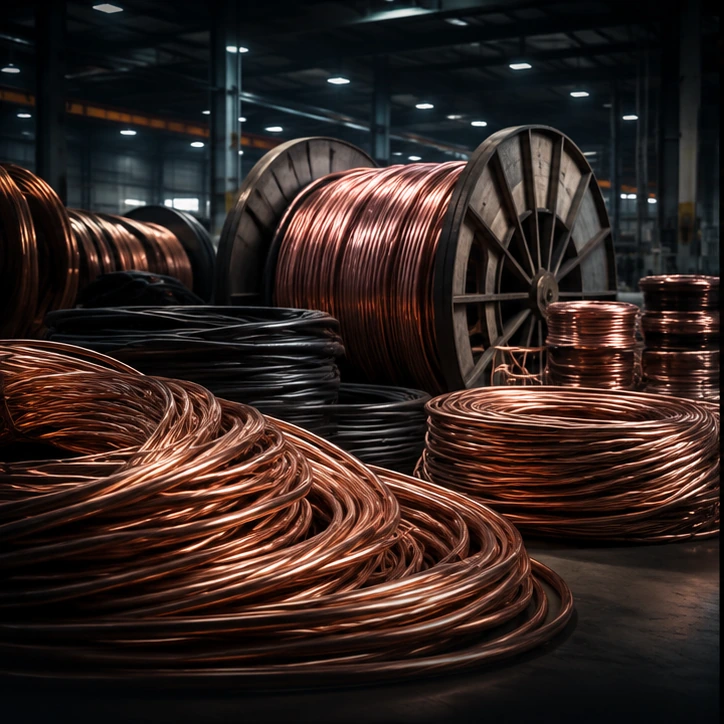
Electrical contractors, service shops, and project managers who finish jobs with material that is too good to throw away but too small to inventory.
Clear photos of the wire, reels, breakers, or panels; conductor size or jacket markings when visible; approximate quantity; and your city/state. Send photos for today’s price.
Electrical contractors accumulate surplus on nearly every project: cutoffs too short for the next job, reels with a few hundred feet left, breakers swapped out during upgrades, panels from panel-change work, fixtures left over from tenant buildouts, and wire pulled during demolition or retrofits. Individually these lots look small, but across a shop they add up to real money — and stored material that never gets used again is just warehouse rent you never stop paying.
Ironcrest reviews contractor surplus for direct purchase. You don’t need a truckload to get a review — clean, sorted lots of any practical size are worth a look. The fastest path to an offer is photos: shoot the wire ends, the reel labels, the breaker or panel nameplates, and a wide shot showing the quantity, and send them with your city/state.
Wire is the most common contractor surplus, and how it is sorted makes a measurable difference in what it is worth. Copper wire grades are determined by gauge, coating, and whether the copper is bare or insulated — and the jacket markings printed on the wire tell most of the story. Photograph those markings before you do anything else.
A clean photo of the cut end shows gauge, strand count, and whether the copper is bare, tinned, or has other coatings. This is the single most useful photo for wire valuation.
THHN, XHHW, Romex, UF, SER, welding cable — the printed type and AWG size identify the wire without guesswork. Shoot the printing clearly.
Keep bare copper, insulated copper, aluminum cable, and armored cable in separate piles. Mixed wire gets priced at the lowest grade in the mix; sorted wire does not.
For a full walkthrough of wire grades, see our copper wire grades guide, and our complete copper purchasing page for what Ironcrest reviews.
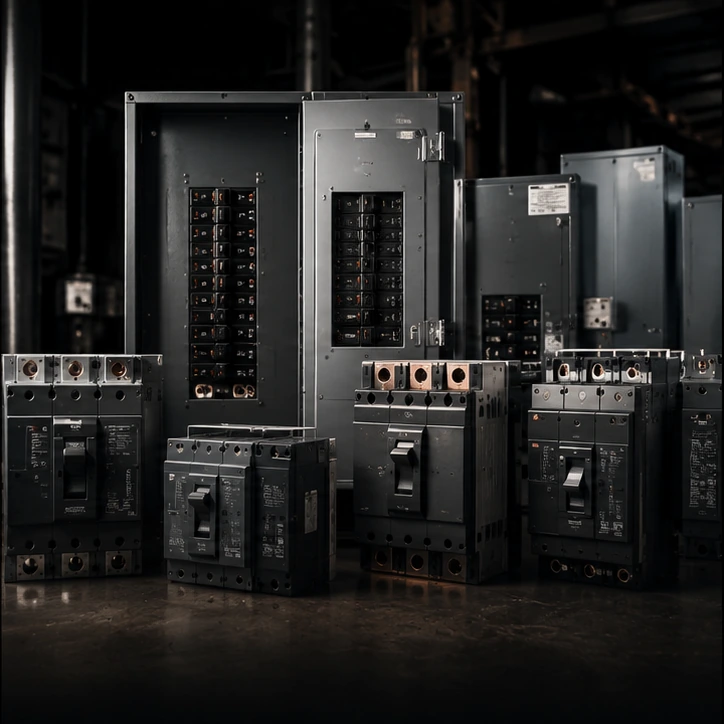
Contractors come across breakers, panels, disconnects, and other distribution equipment constantly — from panel upgrades, tenant improvements, decommissioned circuits, and jobs where the spec changed mid-project. New or lightly used breakers and panels often have resale value well beyond scrap value, so never strip or scrap them before getting a review.
What matters most is manufacturer and catalog number. Photograph the breaker or panel labels, the nameplate, and the overall condition. Note whether the equipment is new in box, new surplus, lightly used, or unknown-condition. Even used takeouts from reputable manufacturers can have value depending on type, condition, and demand, so send photos for today’s price rather than assuming they are scrap.
Do not remove breakers from panels or strip hardware before a review. Intact assemblies are easier to evaluate and usually worth more.
Manufacturer, catalog or part number, amperage, voltage, and pole count drive the value of breakers and panels. Clear label photos are essential.
New in box, new surplus, used, or unknown — an honest condition note helps route the material to the right buyer and the right price.
See our electrical equipment purchasing page for the full range of gear Ironcrest reviews.
An hour of sorting can move a lot from a generic mixed price to a top-tier offer. The rules are simple:
Copper wire, aluminum cable, and steel conduit belong in separate piles. Mixed lots are always priced down to the lowest-value material in the mix.
Bare copper wire, insulated copper, tinned copper, and low-grade insulated wire each price differently. Grade drives the offer, so don’t blend them.
Burned wire is damaged wire — it loses value and creates liability. Send insulated wire as-is; the review accounts for insulation type and weight.
New-in-box breakers, unopened reels, and unused fixtures may have resale value far above scrap value. Keep them separate and photograph the packaging and labels.
Cutoffs, short drops, and odd pieces add up. A sorted bucket of copper cutoffs is worth reviewing; a mixed bucket of copper, aluminum, and trash is not.
A one-line note — “partial reels from office buildout,” “takeouts from panel upgrade” — helps identify the material and speeds up the review.
Photos are the quote. Ironcrest prices from what we can see and verify, so good photos mean faster and more accurate offers. Here’s the checklist contractors should send:
Send everything in one message to sjohns@ironcrestindustrialsurplus.com or call 312-880-8174. Include your name, company, and the best number to reach you.
Email or text clear photos of the wire, breakers, panels, or gear with quantity and location. This is the entire quoting process for most contractor lots.
Ironcrest reviews the material and responds with an offer based on current market conditions and the recoverable or resale value of the lot. No public per-pound prices — each lot is priced on its own merits.
Pickup options depend on the material, volume, access, and location. Ironcrest is based in Rolling Meadows, Illinois, and evaluates opportunities across Chicagoland and beyond.
Once the material is received and verified against the photos, payment follows. Honest photos and honest descriptions keep the process smooth on both ends.
Wire and cable cutoffs, partial reels, takeouts from retrofits and upgrades, over-ordered material from completed jobs, demolition copper, and surplus breakers, panels, disconnects, fixtures, and devices. Clean, sorted lots of any practical size are worth a review — send photos for today’s price.
Usually not. Stripping takes labor and creates a mess, and insulation type and weight are already factored into the review. Sorting wire by type — bare copper separate from insulated, copper separate from aluminum — adds more value than stripping. Never burn insulation off; burned wire loses value.
Yes. New, new-surplus, and lightly used breakers and panels often have resale value beyond scrap value. Send photos of the manufacturer, catalog or part number, amperage, voltage, and condition so the material can be reviewed for the right outlet.
Send photos, an estimated quantity (weight, footage, reel count, or piece count), the material type, and your city/state. Each lot is priced from current market conditions and its recoverable or resale value, so public per-pound prices are not posted.
Pickup depends on the material, volume, access, and location. Ironcrest is based in Rolling Meadows, Illinois, and evaluates opportunities across Chicagoland. Send the site address or ZIP code with your photos so pickup options can be confirmed for your specific situation.
Have wire, breakers, panels, or job-site surplus to sell? Send photos, quantity, and pickup location to sjohns@ironcrestindustrialsurplus.com or call 312-880-8174 for today’s price.
Industrial equipment can be worth more intact than as scrap. Clear photos and nameplates help determine whether resale, component recovery or commodity recovery is the best path.
Photograph the material, nameplates and quantity, then send them through the quote form, by email or by phone.
We review what the material is, its condition and quantity, and whether it fits a direct purchase.
For qualifying material, we discuss a direct purchase offer and the next steps.